Paying the minimum on time generally satisfies the required monthly payment, but any remaining balance may accrue interest. Paying more usually reduces repayment time and total interest when other conditions remain the same.
The minimum is not a payoff plan
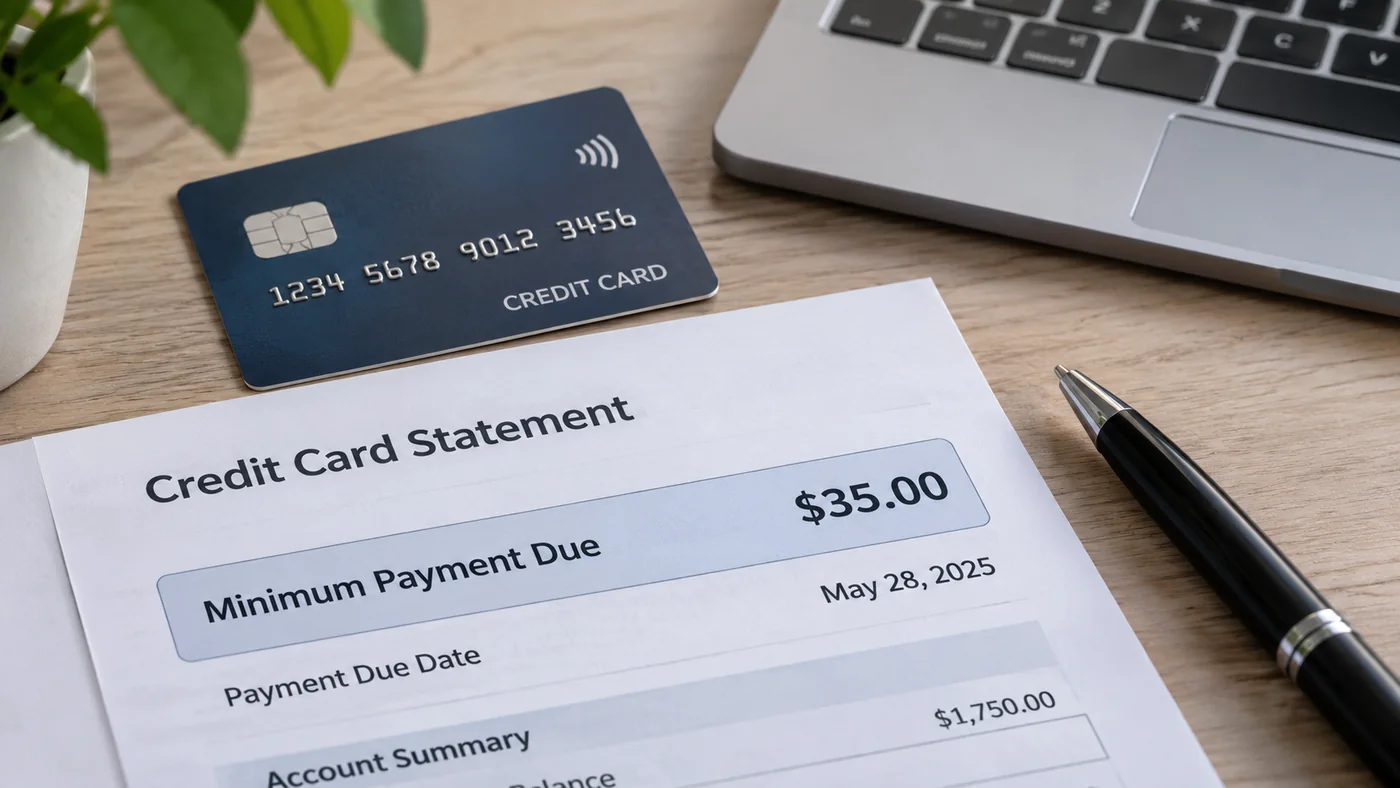
Your statement may show a small required payment alongside the full balance. Paying at least the required amount on time can help avoid a missed payment under the agreement, but it does not necessarily avoid interest. Minimum formulas vary by issuer and jurisdiction and may include a percentage, interest, fees or a fixed floor.
A simple example
Imagine a $1,000 balance, $20 interest for the month and a $30 payment, with no new purchases or fees. Only $10 reduces the principal, leaving $990. A $100 payment under the same assumptions leaves $920. In real life the interest changes with daily balances and rates. The example illustrates why payment size matters without predicting an actual payoff date.
Why new purchases can undo progress
If you pay $100 and then charge another $100, the principal may barely move, even before interest. A useful first step is to separate recurring essentials from optional card spending. Set a realistic extra payment that does not leave you unable to cover rent, food or emergency expenses. If the card is the only way to meet essential bills, contact the issuer about available support instead of relying on an unrealistic plan.
How to read your statement
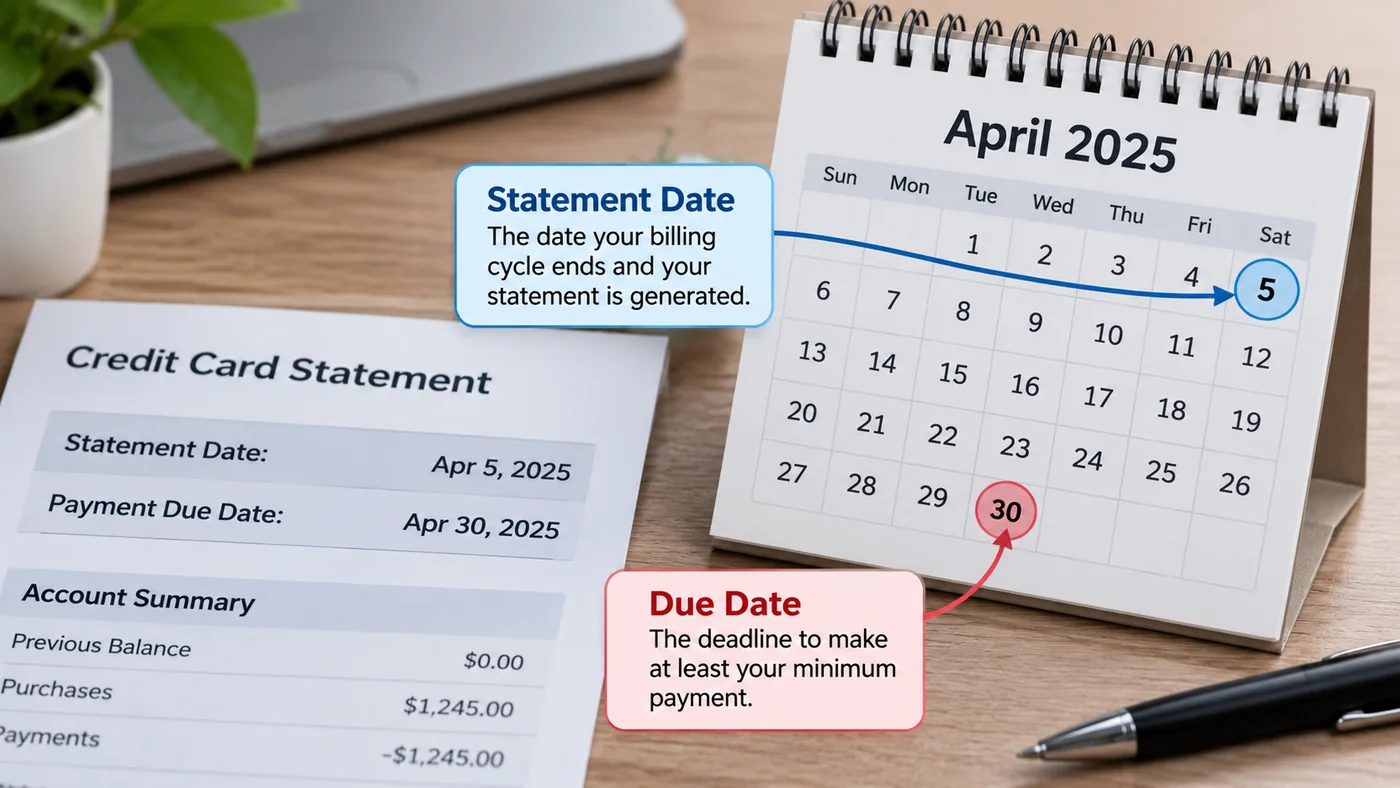
Locate the due date, required payment, balance, annual rate and any interest charge. In the United States, statements are subject to specific disclosure rules; do not assume the same layout or protections internationally. Ask your issuer how additional payments are allocated if you have multiple balances with different rates.
When repayment feels difficult
Speak to the lender early, ask about hardship or installment options, and compare written terms. A debt consolidation loan is not automatically cheaper: origination fees, duration and the new rate matter. Avoid services that promise guaranteed debt removal or request large upfront fees. Seek legitimate local debt advice if the balance is no longer manageable.
Compare fixed monthly payments over time
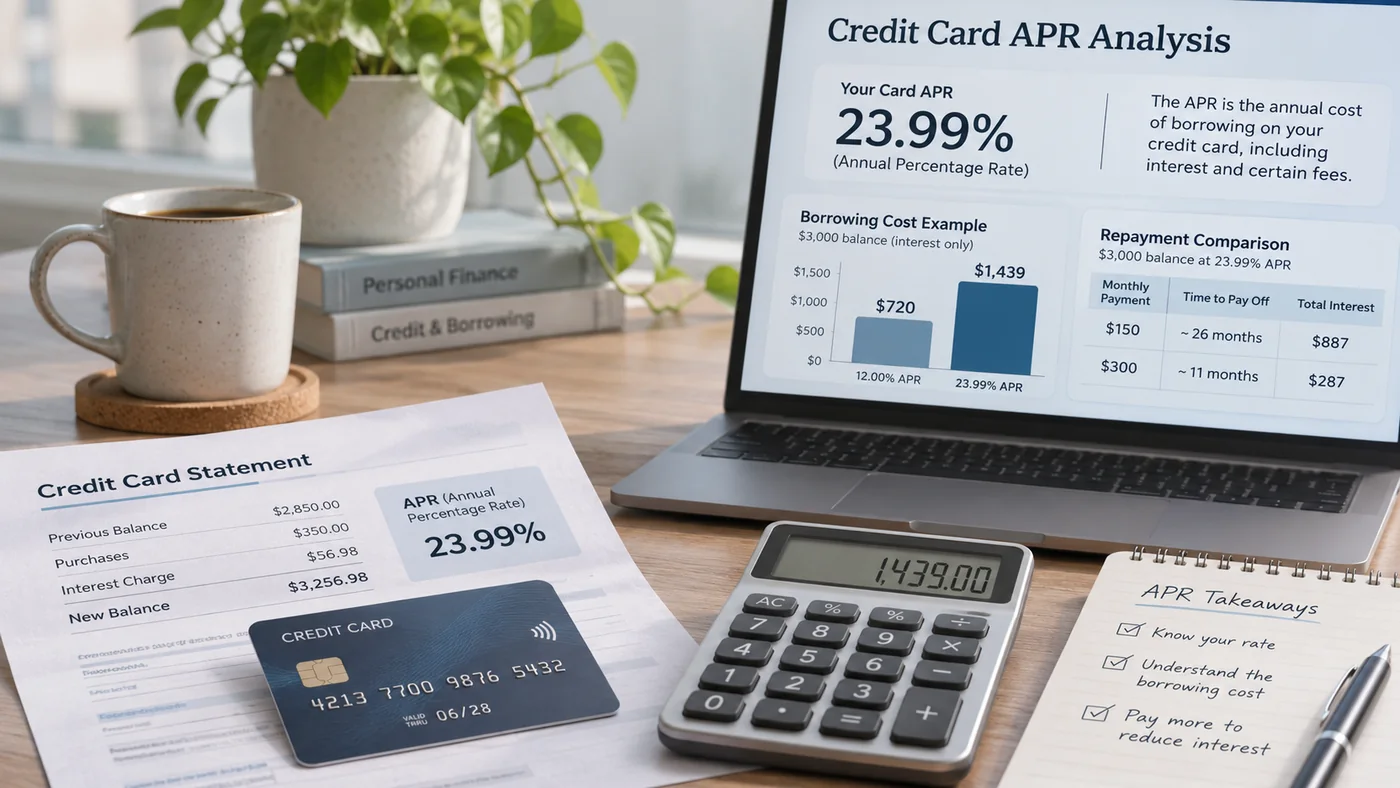
In a simplified model with $1,000 initial debt, 24% APR divided into 12 equal monthly rates, no new charges and a payment made after each month’s interest, a fixed $50 payment takes about 26 months and costs about $290 in interest. A fixed $100 payment takes about 12 months and costs about $127 in interest. These are rounded estimates, not minimum-payment projections: the actual minimum may decline as the balance falls. Daily interest, fees and statement dates can change the outcome.
Read the US minimum-payment warning
US Regulation Z generally requires covered card statements to disclose repayment information based on minimum payments, with exceptions and alternative disclosures. Look for the estimated payoff period and cost and, where shown, the estimated monthly amount for repayment over three years. These projections assume no additional charges. They are more relevant than a generic example because they refer to your account balance and agreement. Readers outside the US should check their local statement rules.
Build a realistic payment plan
List essential bills before deciding on an additional card payment. Keep enough cash for foreseeable necessities so you do not immediately replace repaid debt with new purchases. If you have multiple cards, compare rates and required payments; keep minimums current when possible, then consider directing extra funds toward the highest-cost balance. If even the minimum is unaffordable, contact the lender and a legitimate local debt adviser early.
Read next
Sources & methodology
Editorial desk research, November 26, 2026. Official documentation and regulator guidance were consulted; product access, fees and terms can change. Examples are illustrative calculations, not live quotes. No hands-on product testing or independent professional certification is claimed. US regulatory sources apply to US rules only.